 Old Plow
How to use worm castings, casting tea and Living Soil Culture
Castings are forgiving. You can't burn a plant with them and you can't really overdo it — so these are starting points, not rules.
Mix into the soil
The most effective method overall. Mix 10–20% castings into the soil so nutrients and microbes are spread evenly through the root zone. For planting holes, add one or two handfuls per plant; for raised beds, work 1–2 inches into the top 4–6 inches.
Top-dress established plants
The easiest, most consistent way to feed. Spread a ½–1 inch layer around the base of the plant and water it in — slow-release nutrients and microbes get pulled into the soil with each watering. Reapply every 2–4 weeks.
Casting tea & Living Soil Culture
Dilute according to the label, then water the root zone or spray the leaves in the morning. Use it the same day you mix it, while the microbes are most active.
Give roots a soft landing
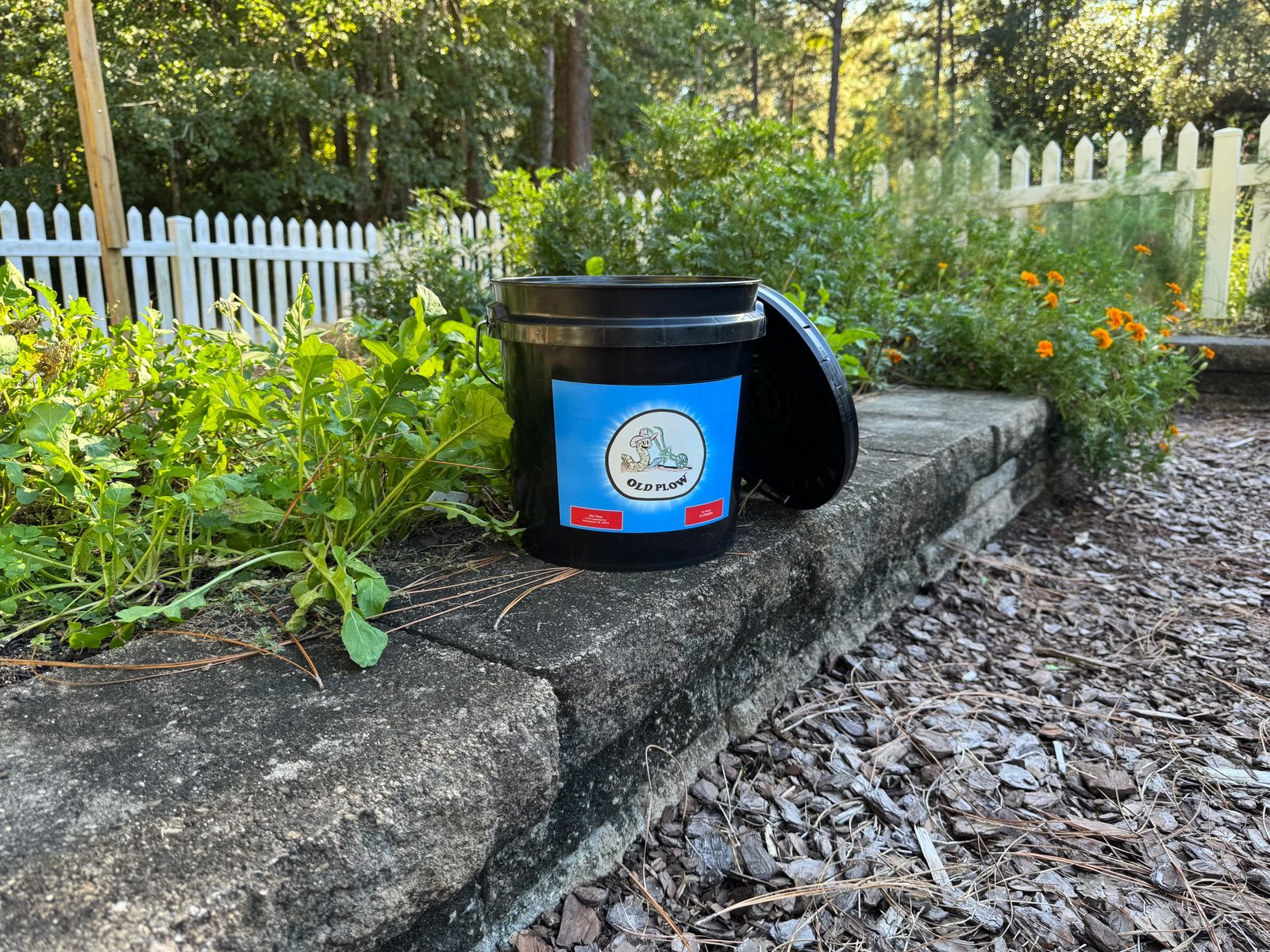
Add one or two handfuls of castings to each planting hole, or blend 10–20% castings into your seed-starting mix. Transplants settle in faster when the soil around their roots is already alive.
For seed trays, a light dusting of castings over the surface after sowing keeps the top from crusting.
Feed the bed, not just the plant
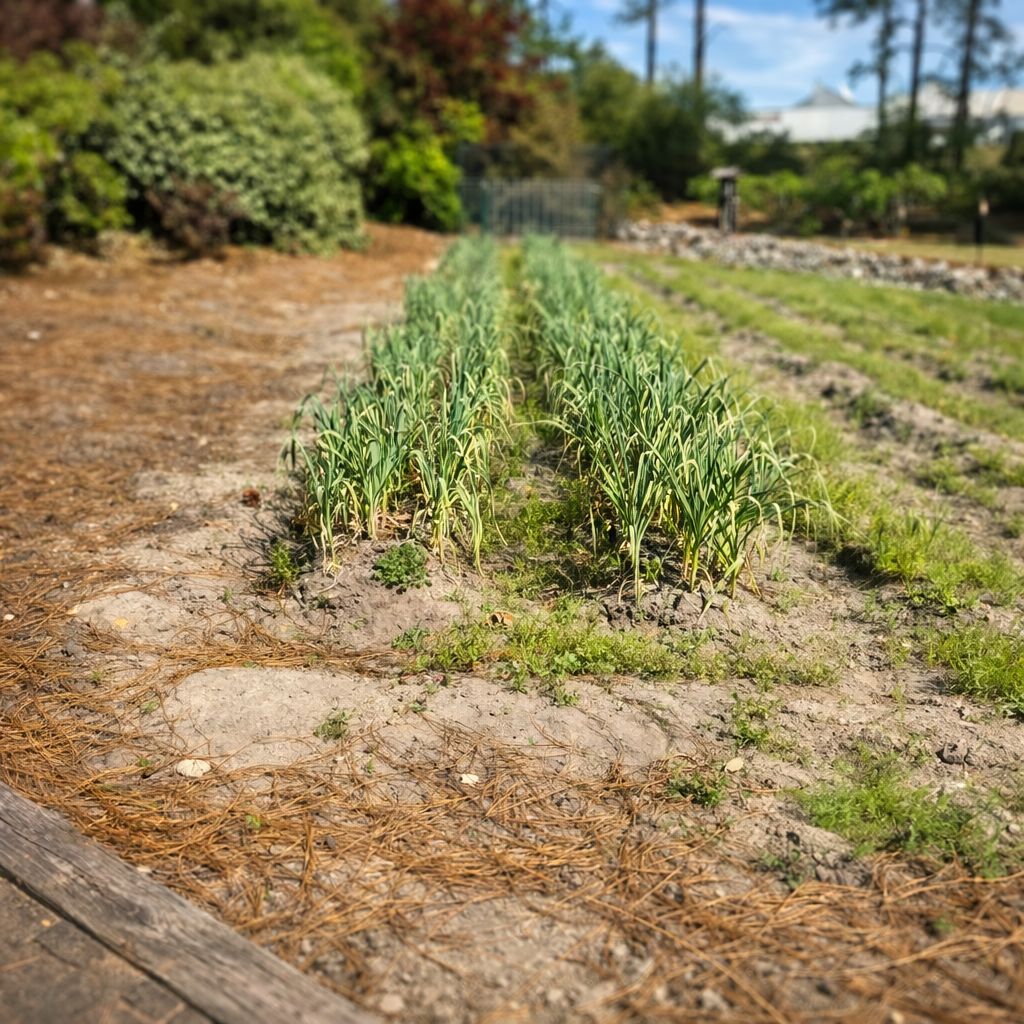
Before planting, spread 1–2 inches of castings over the bed and work them into the top 4–6 inches. Through the season, top-dress heavy feeders — tomatoes, peppers, squash — with a ½–1 inch layer every 2–4 weeks and water it in.
Casting tea or Living Soil Culture Harvest Blend works well here as a mid-season pick-me-up: water it in around the roots in the morning.
Small pots, big difference
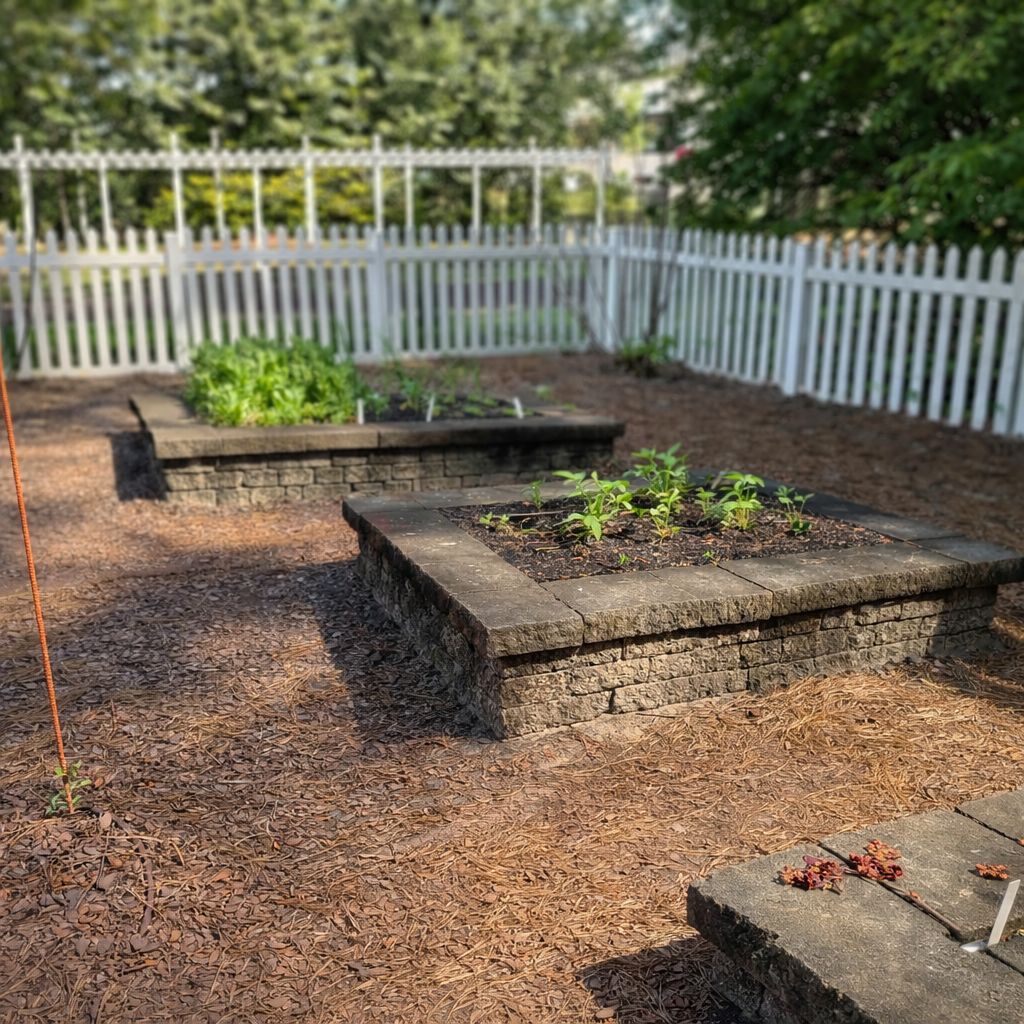
Containers dry out fast and lose nutrients every time you water. A tablespoon or two of castings scratched into the top of the pot every month or so helps the soil hold water and keeps it from going sour.
When you repot, blend 10–20% castings into the new mix.
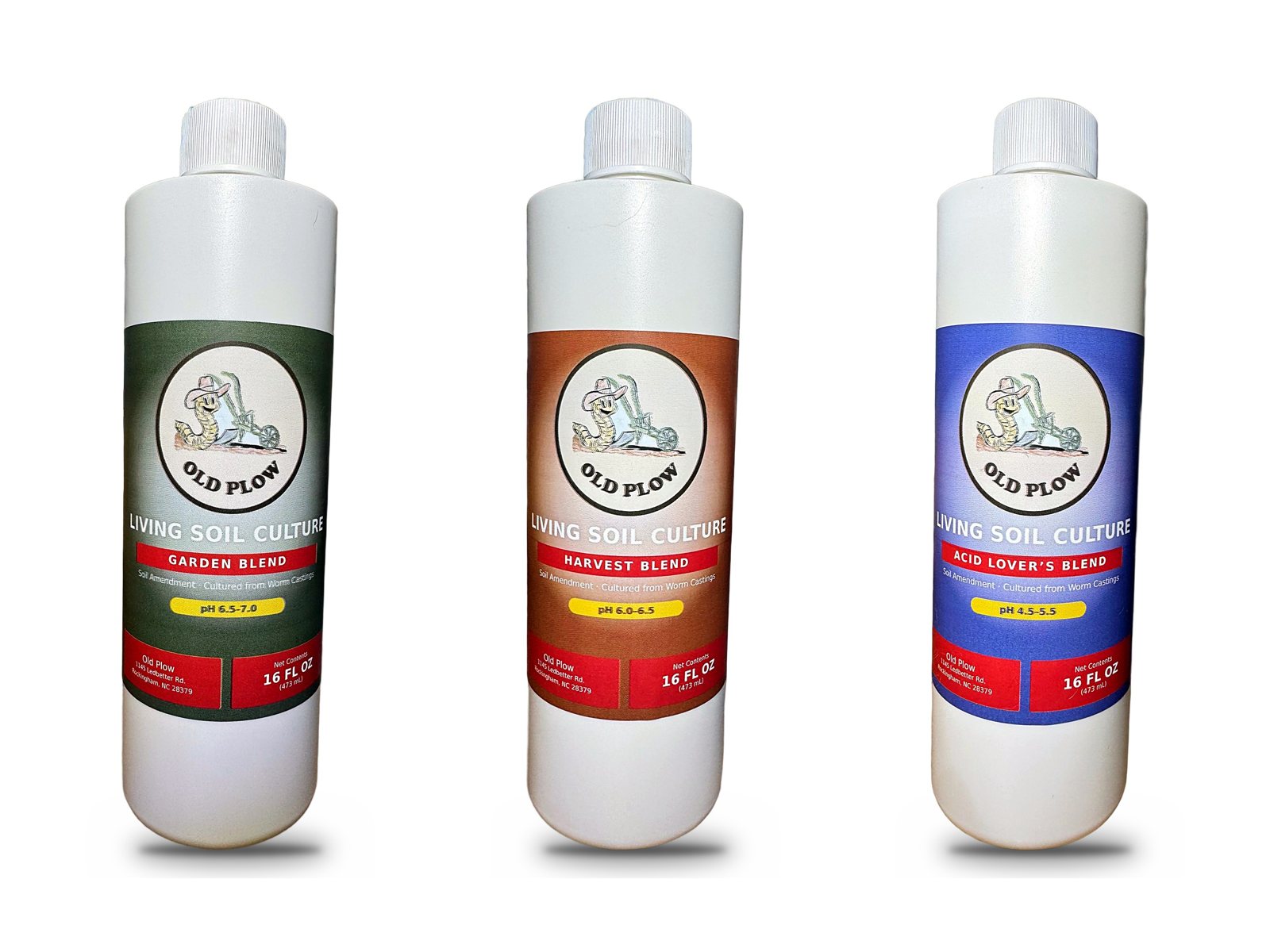
Pick the blend, then water it in
Choose the blend that matches what your plants like: Garden Blend (pH 6.5–7.0) for most beds, lawns and containers, Harvest Blend (pH 6.0–6.5) for vegetables and fruits, and Acid Lover's Blend (pH 4.5–5.5) for blueberries, azaleas, camellias and other acid-loving plants.
Dilute according to the label and water the root zone, ideally in the morning. Mix only what you'll use that day.
Castings FAQ
What exactly are worm castings?
Worm castings are the nutrient-rich organic matter earthworms produce as they digest bedding and food scraps. They improve soil structure, enhance nutrient content, and promote healthy plant growth.
Can I use too much?
No. Castings won't burn plants the way synthetic fertilizer can. Using more than the guidelines above just costs more; it won't hurt anything.
Is it safe around kids and pets?
Yes. Castings are finished compost — earthy, non-toxic, and safe to handle with bare hands. Wash up afterward as you would after any gardening.
How do earthworms help the soil?
Earthworms aerate the soil, enhance microbial activity, and leave behind castings full of plant-available nutrients — all vital for healthy, living soil.
How long do casting tea and Living Soil Culture keep?
Once diluted, use them the same day. The concentrates keep longer — follow the storage directions on the bottle.
Ready to try Old Plow?
Free USPS shipping on all products, anywhere in the continental United States.
Shop Old Plow